Are you a teacher who is disillusioned by a system that places the
examination and performance at the centre of the high school?
The High School Conference @ Sangam is an antidote to that.

“Good Teachers join self, subject, and students in the fabric of life. The methods used by these weavers vary widely: lectures, Socratic dialogues, laboratory experiments, collaborative problem-solving, creative chaos. But they are able to weave a complex web of connections between themselves, their subjects and their students.”
— Parker. J. Palmer
“Good Teachers join self, subject, and students in the fabric of life. The methods used by these weavers vary widely: lectures, Socratic dialogues, laboratory experiments, collaborative problem-solving, creative chaos. But they are able to weave a complex web of connections between themselves, their subjects and their students.”
— Parker. J. Palmer
Educating the whole child: a north star in kindergarten, primary and middle school, tends to become harder to hold onto in high school.
The complexities are many; teaching the subjects becomes a matter of mastery and expertise; teaching advanced level subjects through the lens of ‘the whole’ becomes a slippery slope; confining the scope of the examinations within the broader art of teaching gets difficult; the relationship with the adolescents becomes harder, and the affiliated boards have demands by which we need to abide. In this landscape, our own longings and dreams for the high schoolers and their education fight to find their voice.
You may be a high school teacher in a Waldorf school, a Krishnamurti School, or a Cambridge School. Whichever tradition you come from, you will find relevance, inspiration, direction, and guidance for your teaching, along with a community of like-minded teachers.

Are you a teacher who is disillusioned by a system that places the examination and performance at the centre of
the high school?
The High School Conference @ Sangam is an antidote to that.
Does this sound familiar?
“I am an organic chemist. Are you going to spend the next week telling me that I am supposed to teach organic chemistry through role playing and stories?”
“Primary teachers teach children; high school teachers teach subjects”.
How does it sit with you?
The High School Conference @ Sangam aims to approach the teaching of subjects like literature, sciences and mathematics with freshness, inspiration and imagination while keeping alive the scope of the examination requirements. Be a part of the larger Sangam community of educators, immersing yourself in Keynote addresses, artistic work, seminars with special focus areas, and cultural experiences.
Discover new ideas. Deepen your understanding. Develop your skills and approaches.
Come to Sangam.
Date: 22nd to 30th April 2026
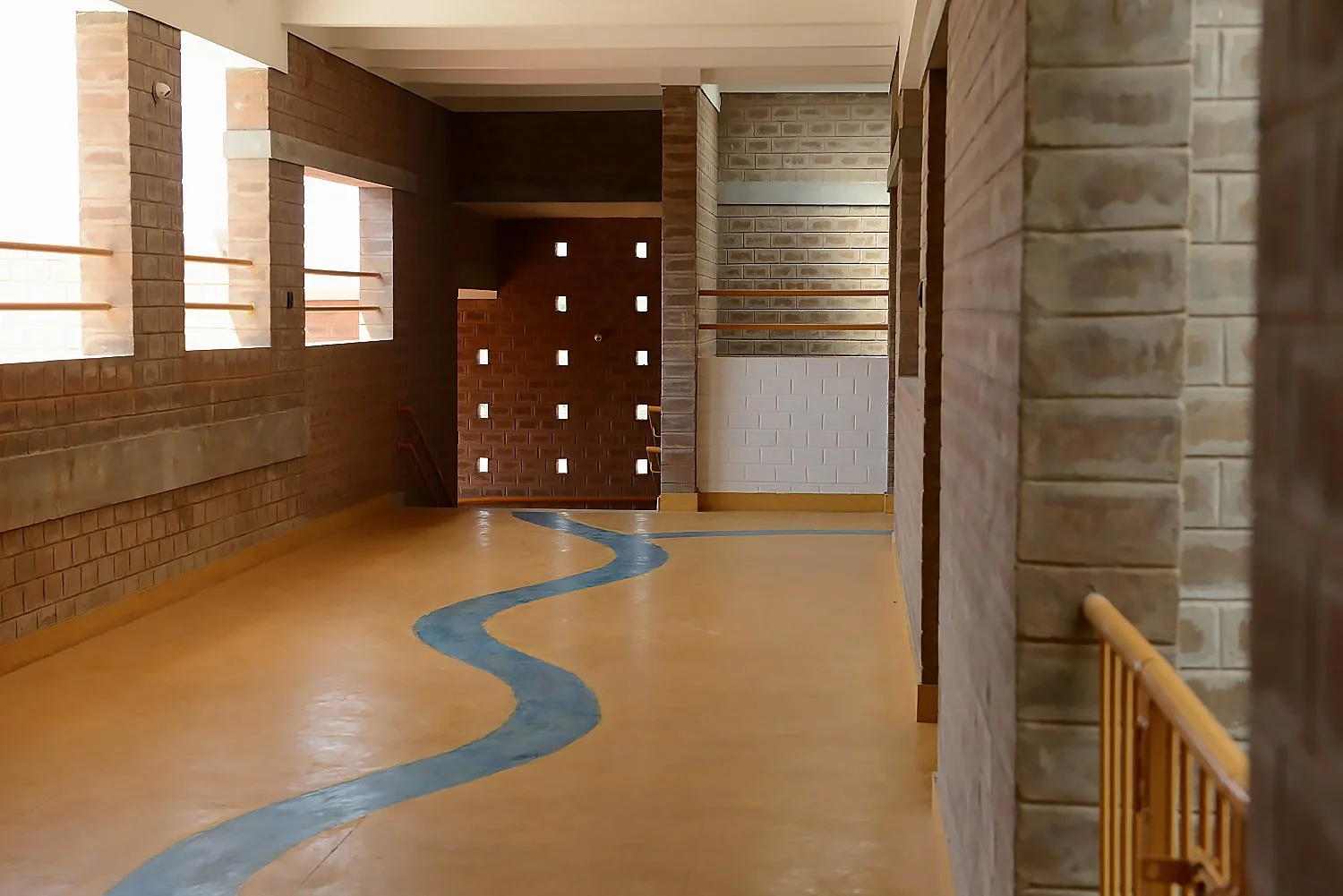
Venue: Yellow Train School, Coimbatore, India
is a collaboration between Indian Waldorf Schools: Yellow Train, Bangalore Steiner School, Swadhaa and ‘The Modern Teacher: Education as Art’, led by Sven Saar and Alan Swindell.

Meet the Facilitators
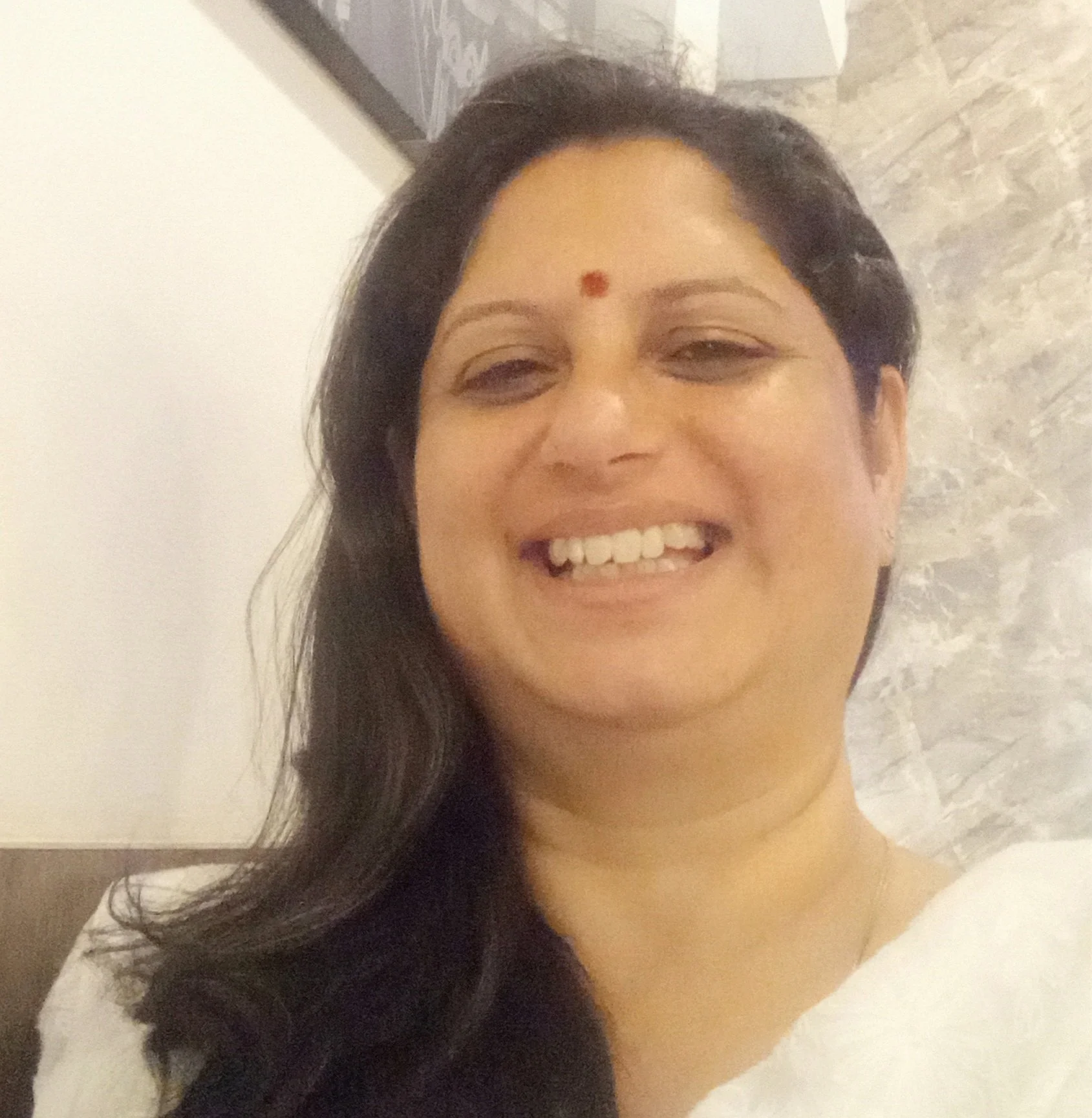
Nidhi Tyagi
I hold a B.Sc. (Hons.) in Statistics from Lady Shri Ram College and an M.Sc. in Applied Operations Research from the University of Delhi. After nearly a decade working as an actuary and underwriter, I transitioned to teaching Mathematics. Over the past 10+ years as HoD and Math Coordinator, I have focused on making mathematics more accessible, equitable, and enjoyable for students. I currently serve as Head of the Mathematics Department at Yellow Train School.
MATHEMATICS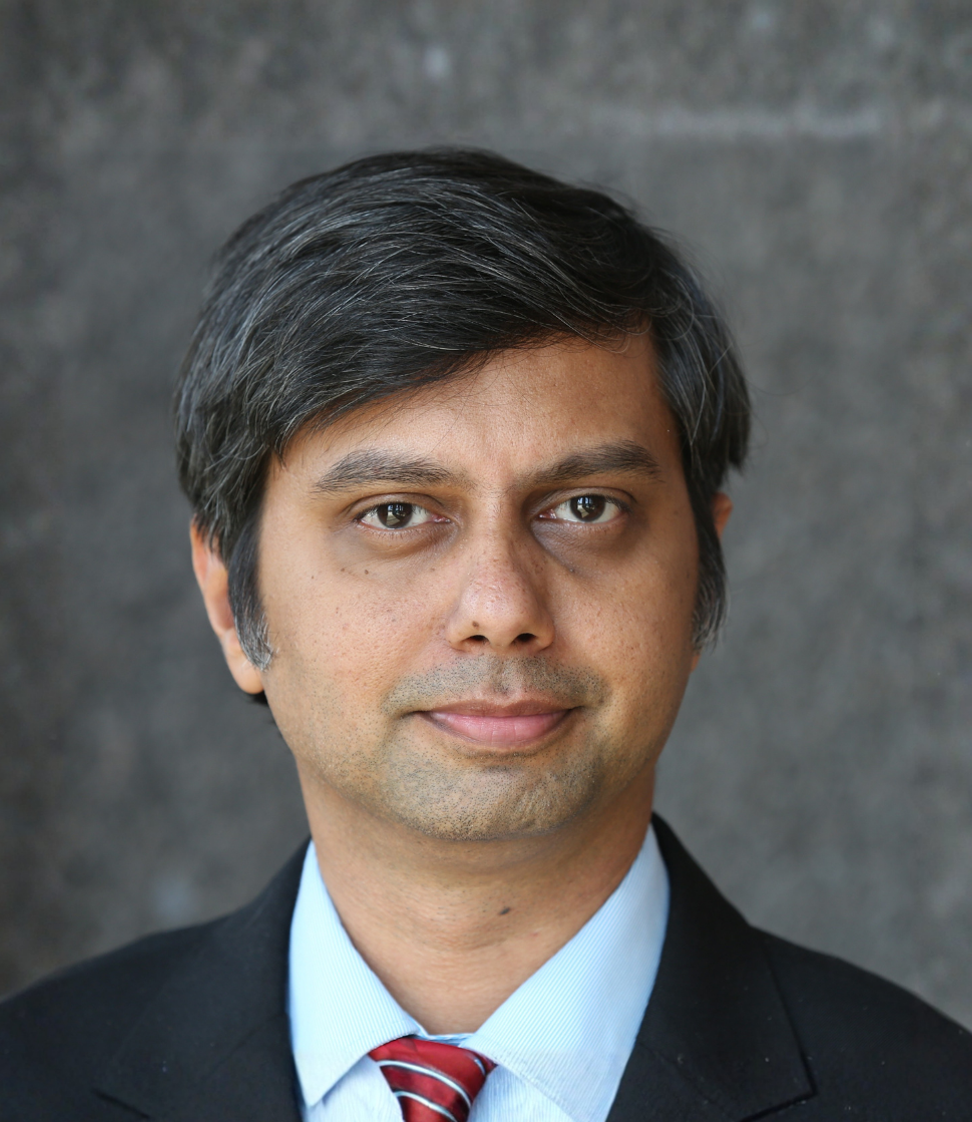
Prem Andrade
Prem Andrade has been solving complex engineering problems using physics and maths for the last 28 years as a Distinguished Engineer at Synopsys Inc. He also regularly volunteers to teach STEM concepts and its applications to high grade students. He believes that if students get a glimpse of the simplicity and beauty that exists in the STEM subjects in an integrated, contextual and applied manner, they will be self-driven to learn more. He is a graduate and postgraduate in mechanical engineering from IIT Bombay and has also been awarded "Best Maths Teacher in the World" by his two daughters.
INTERDISCLIPINARY SCIENCES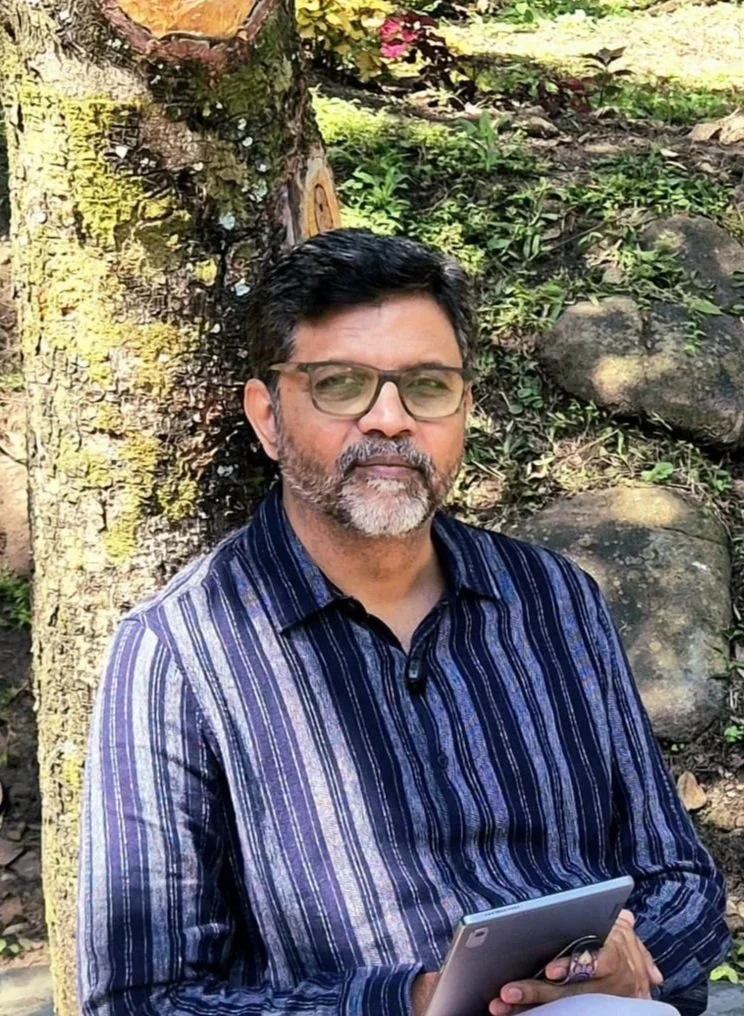
Dr.Hari
I believe in a science that doesn’t confine us within the vanity of our mental constructs but instead opens us up to the infinitude of the unknown. A practising dermatologist, it is my love for science and teaching that brought me to Yellow Train. Bringing the world of biology to the wonderfully receptive children of the school, guiding them on an explorative journey, and cultivating in their young minds a sense of awe, reverence and responsibility towards the natural world - that’s what teaching means to me. This job is a blessing.
BIOLOGY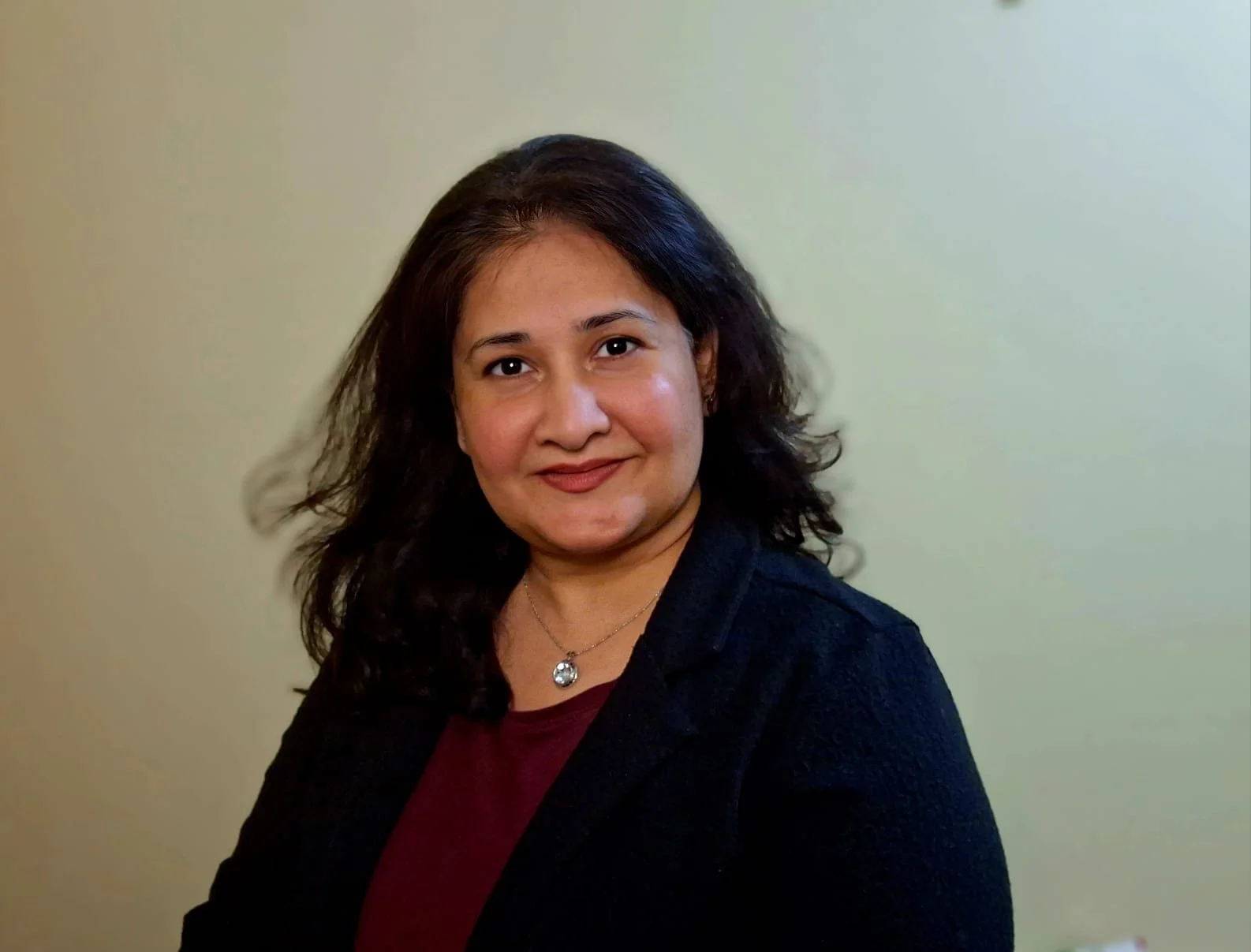
Rukmini Iyer
Rukmini Iyer is a leadership development practitioner, organisational transformation consultant, and peacebuilder with over two decades of experience across education, civil society, corporate, and peacebuilding contexts in India and internationally. Serving on the international board of Creators of Peace, her work integrates dialogue, systems thinking, and trauma-aware approaches to explore power, identity, conflict, belonging, and decolonisation. She is the founder of Exult Solutions, serves on the international board of Creators of Peace, and teaches mediation and conflict resolution at Maharashtra National Law University, Mumbai.
PEACEBUILDING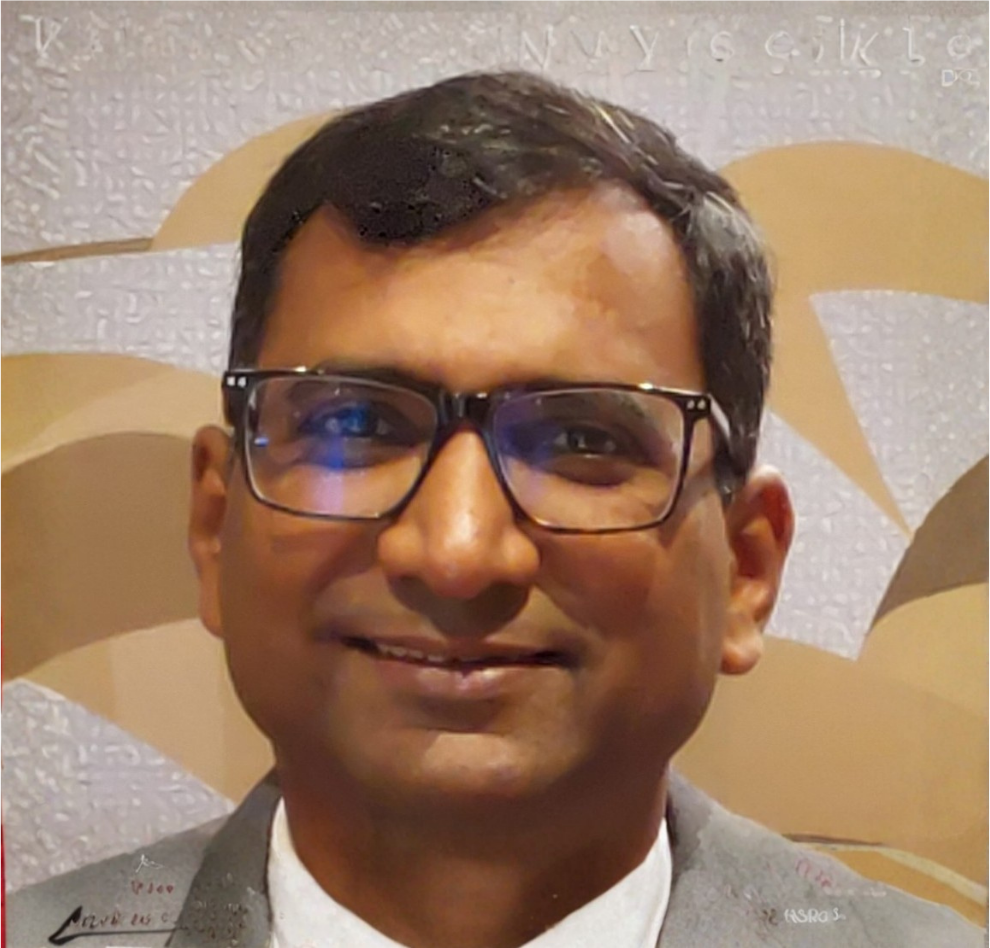
Dr. Suhas Saha
I hold an Integrated M.Sc. in Physics from IIT Kanpur and an M.Phil. and Ph.D. in Financial Economics from the University of Minnesota, USA. After 8+ years teaching undergraduates and working as an actuary, I transitioned to high school education. I have over a decade of experience teaching in ISC and Cambridge schools, leading science teams, and building engaging, multidisciplinary learning. I currently head the Science and Economics department at Yellow Train School and work on NCERT Mathematics textbooks for Grades 11 and 12.
PHYSICS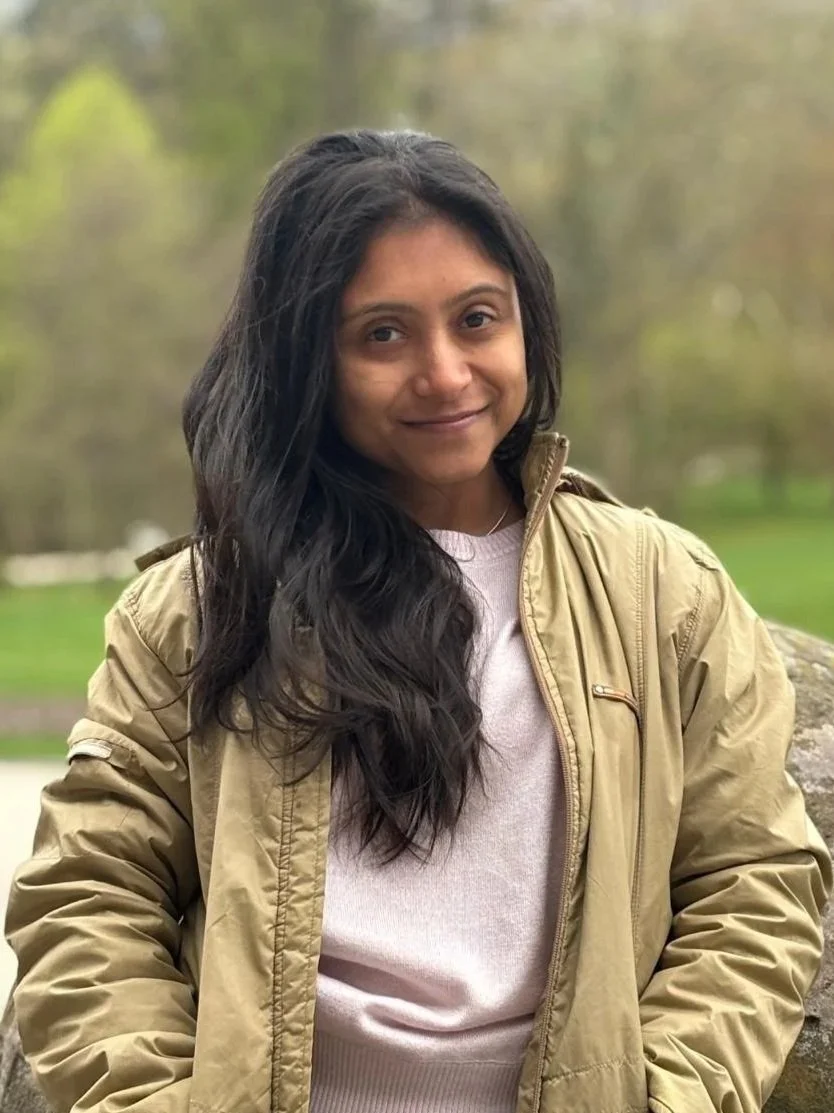
Indrani Banerjee
Indrani Banerjee is an educator, theatre practitioner, and facilitator who has been teaching World History, Literature, and Theatre for the past seven years, with a strong focus on adolescent emotional health and well-being. She hails from Shantiniketan, West Bengal—a town founded by Rabindranath Tagore and rooted in the philosophy of alternative education. Trained in Waldorf educational practices, Indrani has worked closely with her personal mentor in psycho-somatic approaches to learning and expression. Her work integrates history, theatre and literature as powerful tools for self-awareness, emotional resilience, and holistic education.
ART HISTORY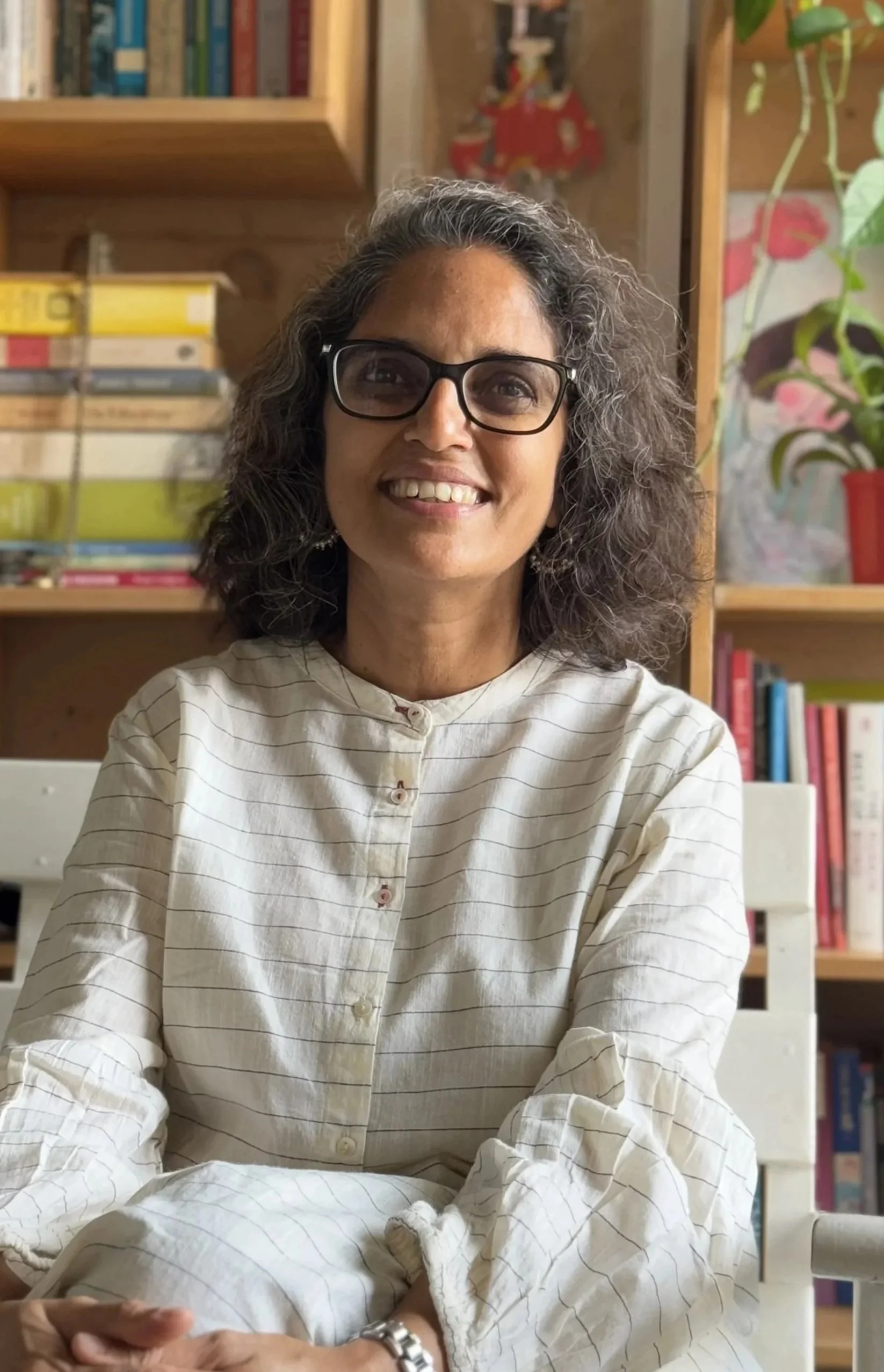
ADOLESCENT DEVELOPMENT
ENGLISH LITERATURE
Santhya G.
As the founder of Yellow Train, Santhya's love for children took root in early childhood and has now found its ripe ground in her passion and commitment to adolescent education. Whether in literature classrooms, workshops on identity, relationships and sexuality, her travel to the Himalayas with the graduating batches, or her role as class guardian in the upper school, she has spent the recent years being an ally and a champion of the adolescents. She has been working in teacher development, community building, and leadership development for the past two decades. Through writing and speaking at various national conferences, she is actively involved in reframing the narrative in education and policy-making.
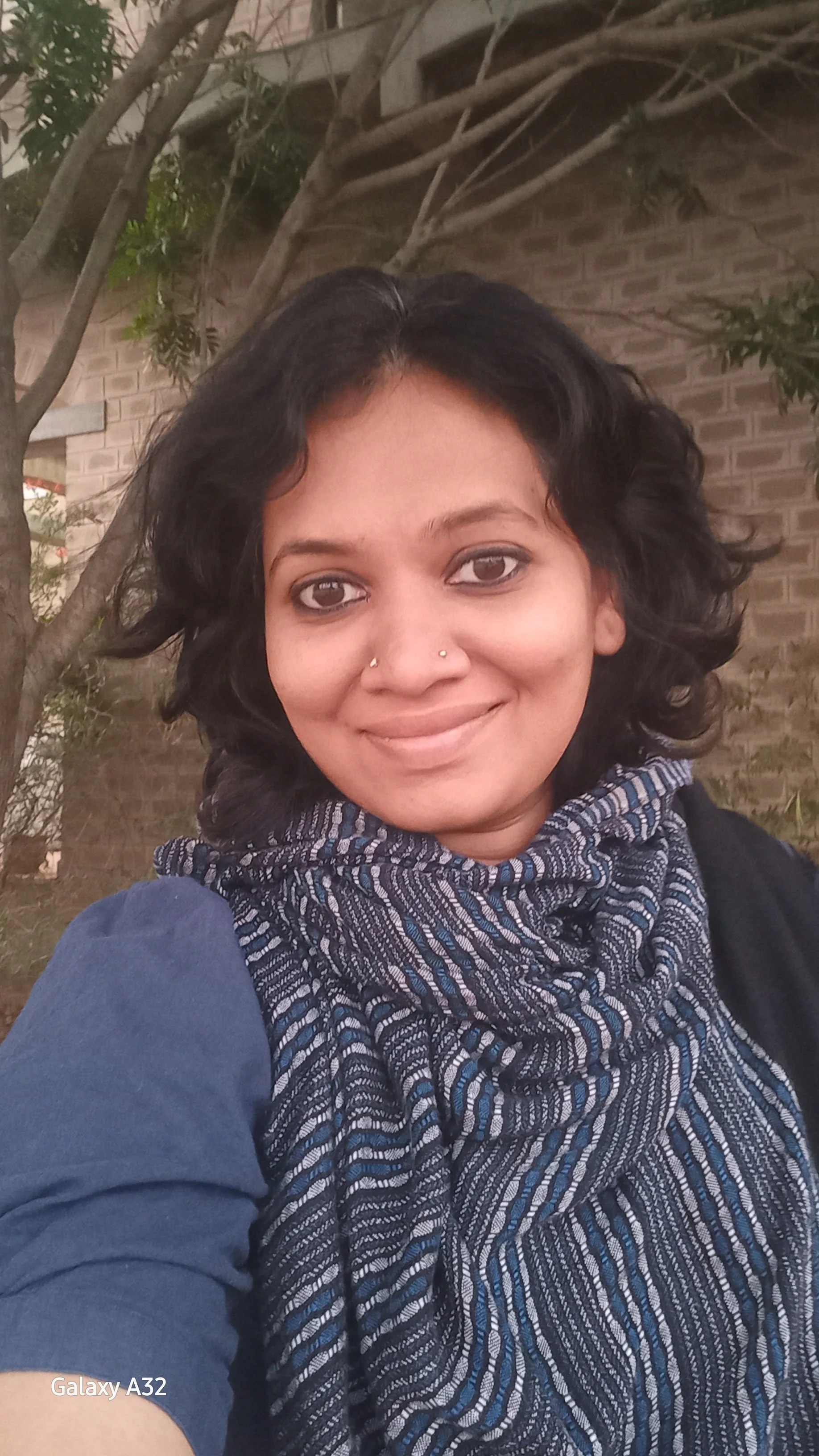
Asha Krishnan
ENGLISH LITERATUREWorking in brief yet rigorous roles of a content editor, and alt-text writer for college-level academic publications based in the U.S and U.K, little did I know then that I was in the making of a peripatetic life! Teaching English as a Foreign Language at the Auroville Language Laboratory was a magical experience that propelled me to venture out as a facilitator of English Language Arts, Language & Literature, and ESL in schools offering international curriculum. Arriving at Yellow Train, was and is a taming of the Miss Jean Brodie inside of me. Teaching literature in high school is fervent activism to me as I secretly desire to walk amidst the Jo Marchs and Cauldens where the study of literature is not a sojourn but a homestead.
Seminars Offered
Every Day from 9.30 to 11 am and 4:30 to 6.15 pm

Who is the Adolescent
in front of us?
22nd
Santhya G.
A look at adolescent development through the lens of Waldorf education, neuroscience, and developmental psychology. And across these perspectives, all roads lead us to Rome: the adolescent in front of us and the sanctity and meaning of adolescence in human development.
It is crucial that this knowledge and understanding permeates our approach to teaching, to behaviour and in the manner we accompany them in their journey of individuation. We will also explore how we can create an attachment village in our schools to allow and support this unfolding.
The child who is not embraced by the village will burn it down to feel its warmth – African Proverb.
Sensing the Sacred:
A Thematic Journey through Art History
23rd to 25th
Indrani Banerjee
From prehistoric cave paintings to Renaissance humanism and modern expression, art has always been humanity’s bridge between the seen and the unseen. In India, art evolved as sadhana—from cave murals and temple sculpture to Ragamala paintings where music, emotion, and divinity merge, and Banithani where devotion and sensuality coexist. Western art journeys from sacred symbolism to Renaissance realism, where Vinci, Botticelli, Carravagio and Rembrandt fused science, anatomy, and spirituality, seeing the human body as divine architecture. Across cultures - art, music, and faith remain intertwined in languages of transcendence.
Biology teaching rooted
in wonder
23rd to 25th
Only morning sessions
Beyond transmitting facts, we explore how education can awaken a living connection in a student’s heart to the natural world. Drawing on insights from educators such as Rudolf Steiner and Parker Palmer, we ask practical questions: How do these ideas translate into everyday classroom practice? How can teacher and student pause together in moments of shared wonder—before life’s complexity, beauty, and mystery? We also reflect on the inner work this path demands of the teacher: the attentiveness, effort, and orientation required to teach with presence, depth, and care.
Dr. Hari
Accompanying the Budding Scientist
23rd to 26th
Prem Andrade
Imagine being given the moral of a story without the ability to read the story. Does that make you feel disinterested? Many children feel the same when they experience math and science in high school. Learning formulas or key results is not the path of building scientific temperament. How do we inspire them to explore math and science holistically, experience phenomena with awe, see patterns, make hypotheses, codify and then verify it. These contextual sessions will explore the role a teacher can play to accompany this path with our children.
Essential Ideas in Mathematics
27th to 30th
Only morning sessions
Nidhi Tyagi
A practical workshop for AS/A Level Mathematics teachers focused on Calculus and Statistics, featuring classroom-ready activities and real-data examples.
We will explore effective strategies for teaching complex concepts, building connections between pure math and statistics topics, and assessing student understanding. Participants will leave with sample lesson plans and technology integration tips to try in their classrooms.
Ripple to Circuit: Physics
27th to 30th
Only evening sessions
Dr. Suhas Saha
A teacher preparation workshop for AS/A Level Physics educators focused on Waves and Electromagnetism, featuring carefully designed experimental activities, conceptual scaffolding and assessment aligned instruction for AS/A level.
We will explore rigorous classroom ready strategies that enhance student understanding and performance. Participants will leave with ready‑to‑use lesson plans and simple diagnostic tasks to address common misconceptions to try in the classrooms.
Sustaining the Educator:
Wellbeing, Resilience, and Burnout as a Relational Inquiry
27th
Rukmini Iyer
This workshop invites educators to explore wellbeing and resilience beyond individual coping strategies, situating burnout within relational, institutional, and cultural contexts. Drawing from trauma-aware practice, systems thinking, and peacebuilding work, the session will examine how care, responsibility, and vocation intersect in educational life. Participants will reflect on how nervous systems, rhythms, boundaries, and meaning shape resilience over time, and how collective and ethical approaches to care can support sustainability. The workshop honours the educator as a whole human being, not merely a role-bearer, and offers reflective and embodied entry points rather than prescriptive solutions.
Presence, Discernment, and Dialogue in the High School Years
Meeting Conflict in the Classroom:
28th
Rukmini Iyer
This workshop explores conflict in high school classrooms as a developmental and relational reality rather than a disruption to be eliminated. Grounded in mediation practice, dialogue facilitation, and peace education, the session invites educators to reflect on how authority, identity, emotion, and power surface during adolescence. Participants will explore ways of responding to conflict with presence and discernment, cultivating conditions for dialogue without collapsing into control or avoidance. The workshop will consider how educators model ethical engagement with difference and tension, supporting young people to develop agency, responsibility, and relational maturity.
English Literature
29th and 30th
Santhya G. and Asha Krishnan
High school students need to learn to read bus schedules and not Julius Caesar. What might our students think and feel about this? What is their relationship to books, to poetry, to drama, to the written word? Study of various resistance movements such as Dalit writing, feminist writing, LGBTQ writers; visit to Lit Fests and meeting authors; reading banned books; working with performance and slam poetry; watching curated films and documentaries - we offer students literature that meets them where they are along with where they need to be. Join us and be inspired.
Keynote Address
Inspiring educators, thinkers and mentors engage with significant questions and themes in education and society.
A time and space where multiple independent offerings are presented, covering a wide range of interests for teachers and symbolising the buzz and excitement of a real marketplace.
Artistic
Exploration
Come, rest your mind. Stop the conversations. Move, paint, cut, stitch, sing, act, measure, draw. Feel the enlivening of your soul.
Fee Details
(in INR)
Program Fee
For full participation - 5 days or more
₹12,000 - Indian Nationals
₹15,000 - Foreign Nationals
For partial participation - 4 days or less
₹8,000 - Indian Nationals
₹10,000 - Foreign Nationals
10% off on the program fee for group registrations of 10 participants or more.
Meals and Snacks
Three meals, along with beverages & snacks twice a day.
₹4,000 - for 5 days or more
₹2,000 - for 4 days or less
Accommodation
Accommodation at the Yellow Train campus is currently full. Options outside the campus will be provided upon enquiry.
Call us at: +91 73393 11611 / +91 73393 11211
Mail us: sangam@yellowtrainschool.com

Shall we gather at the river, this beautiful river?
Shall we gather at the Sangam?
For partial participation - 4 days or less
₹8,000 - Indian Nationals
₹10,000 - Foreign Nationals

Program Fee
For full participation - 5 days or more
₹12,000 - Indian Nationals
₹15,000 - Foreign Nationals
Meals and Snacks
Three meals, along with beverages & snacks twice a day.
For 5 days or more - ₹4,000 For 4 days or less - ₹2,000
Accommodation
Accommodation at the Yellow Train campus is currently full.
Options outside the campus will be provided upon enquiry.